
We explain how you can avoid £8,000 a year in ground rent.
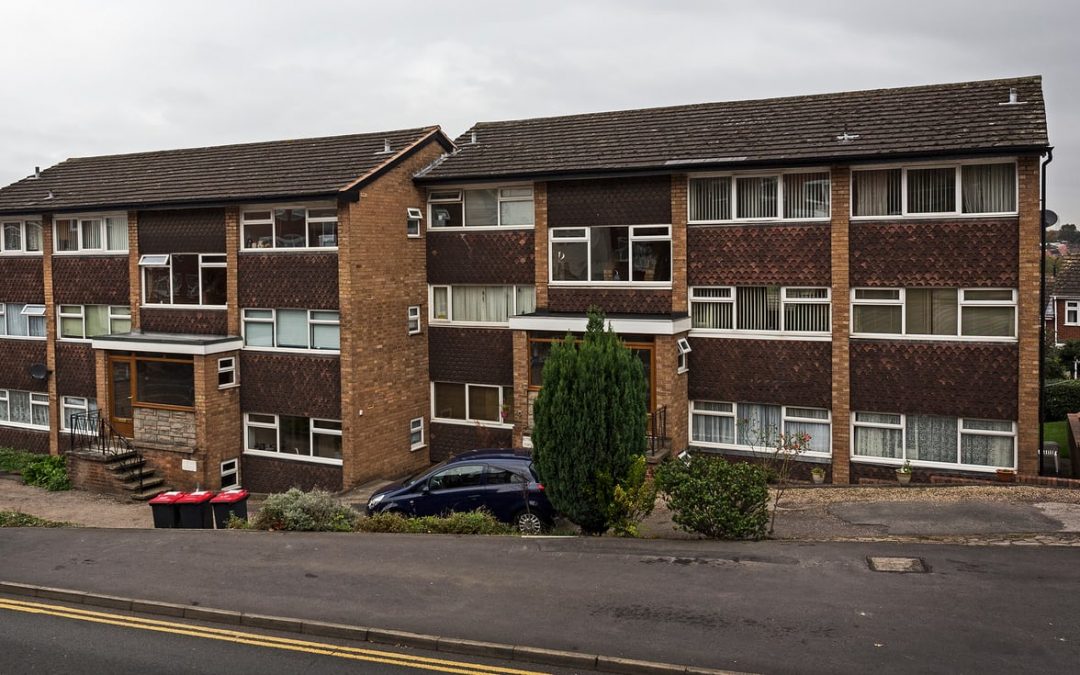
Recently, a story broke about a block of flats in Coleshill, Birmingham, where one of the leaseholders is having to pay as much as £8,000 a year in ground rent. The Guardian and The Times both referred to this as “the worst example of leasehold abuse in Britain”.
In 2015, Kadian Kennelly bought her flat in the 1960s block for £58,000 and anticipated the ground rent to be £250. After moving in, however, the freeholder presented her a bill for £8,000. The 36-year-old social worker later moved out of the block, stating it was “too depressing and daunting” to live there.
Another flat owner in the block, who asked to remain anonymous, claims, if they were to sell, “There’s no way we would get the going rate [roughly £120,000]… Mortgage companies are reluctant to give mortgages for properties with short leases”.
Although the 12 identical flats in the block date back to 1961, they all have differing leases: “Flat 7 is listed as having a ground rent of £8,000 a year, doubling every 10 years over its 149-year life. Flat 5 has a ground rent of £3,200 a year, doubling every 10 years over 190 years. But flat 9 has a ground rent of just £12 a year, fixed for 99 years.”
The question is: how did flat 9 get a better deal on their lease than flat 7?
Well, the answer lies in the construction of the lease. As Martin Boyd from the Leasehold Knowledge Partnership states: “It seems too many conveyancing solicitors have missed the way in which the freeholder has introduced ground rent terms during a lease extension which makes some of these flats worthless.”
According to specialist leasehold valuer Nick Plotnek, freeholders have cleverly introduced clauses during the lease extension process whereby incremental increases in ground rent are pegged not from the date of the lease extension, but from the date of the original lease.
For example, a 2017 lease extension may provide a ground rent of £250 a year for the first 10 years, which doubles every subsequent decade. However, if this fee structure commences from the date of the original lease, say 1960, then leaseholders will end up paying £8,000 a year until 2020, upon which ground rent would increase to £16,000—not the £250 they thought they agreed to.
So, if you want to avoid paying £8,000 a year in ground rent, ensure that you read and fully understand all the terms of your lease. Onerous terms—that appear reasonable on first inspection—have been cleverly introduced into leases, with some conveyancing solicitors overlooking the construction of the term.
When extending your lease, it is highly recommended that you use a specialist valuer, as the process is complicated and fraught with difficulties. With over 35 years’ experience, Nick Plotnek will ensure the right deal on your lease extension.
Click here to find out more.
From: The Guardian (Patrick Collinson and Steven Morris) and The Times (Andrew Ellson)
Recent Comments